Plan before the impact
Both players build at the same time, then commit and watch the whole board resolve together.

Shape the grid, then watch both sides fire at once.
Build formations across seven lanes, commit your plan, and watch both boards resolve together in a focused tactical clash.
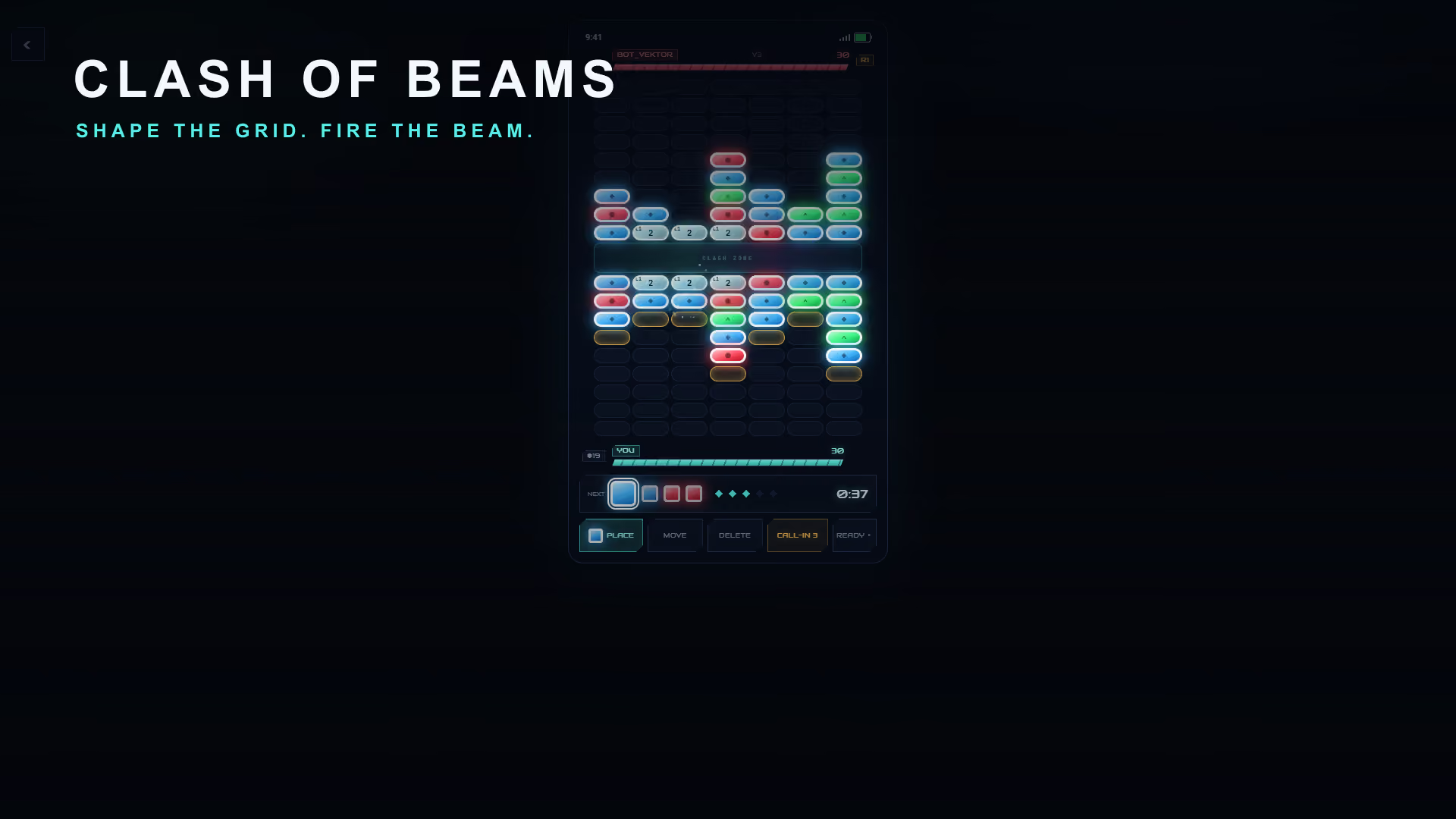
Every move leads to the same moment: both sides firing together.
Both players build at the same time, then commit and watch the whole board resolve together.
Place, move, delete, and call in cells to create shields, attacks, color advantages, and chains.
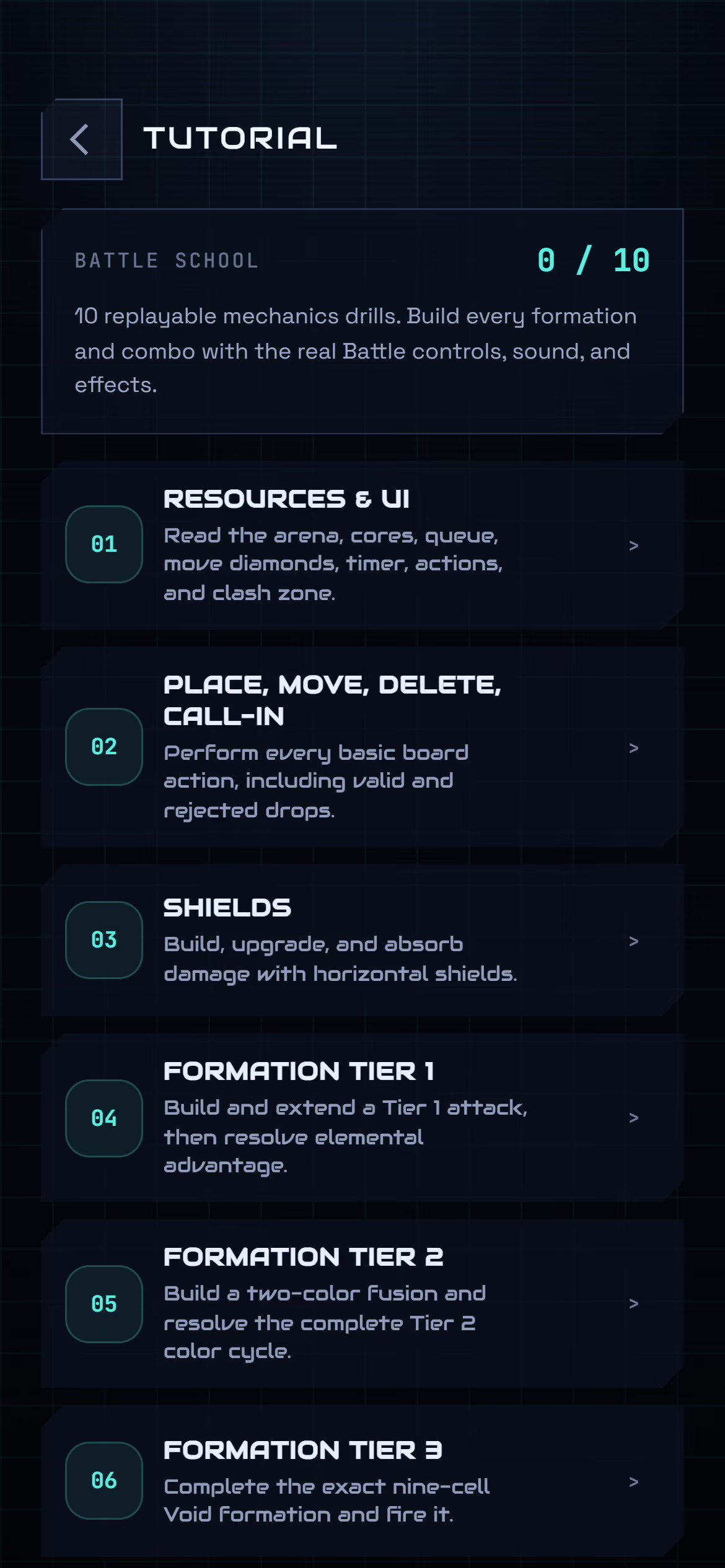
Ten focused drills and ten Practice AI levels turn each rule into something you can test immediately.
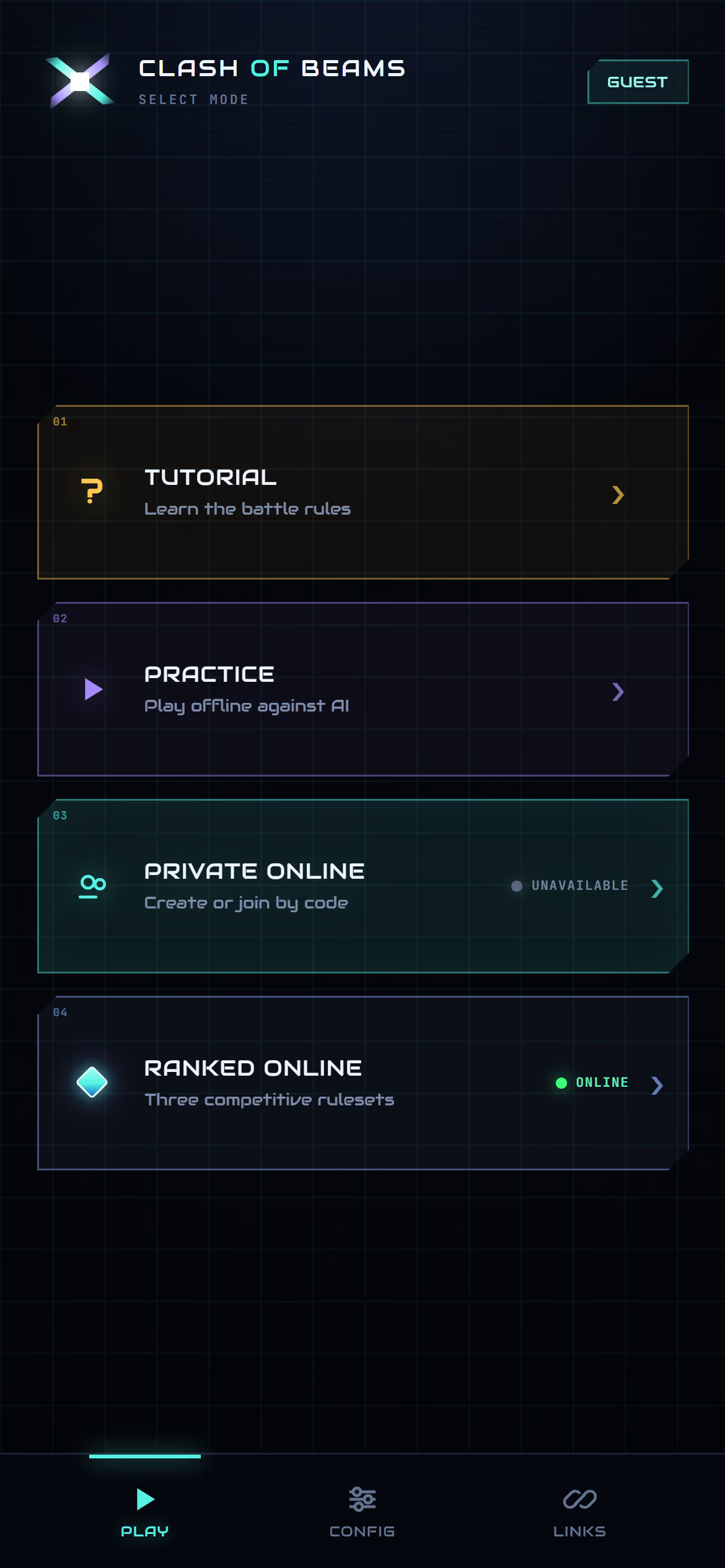
Create a private series or queue for Standard, Endurance, and Fast Ranked matches.
// Showcase
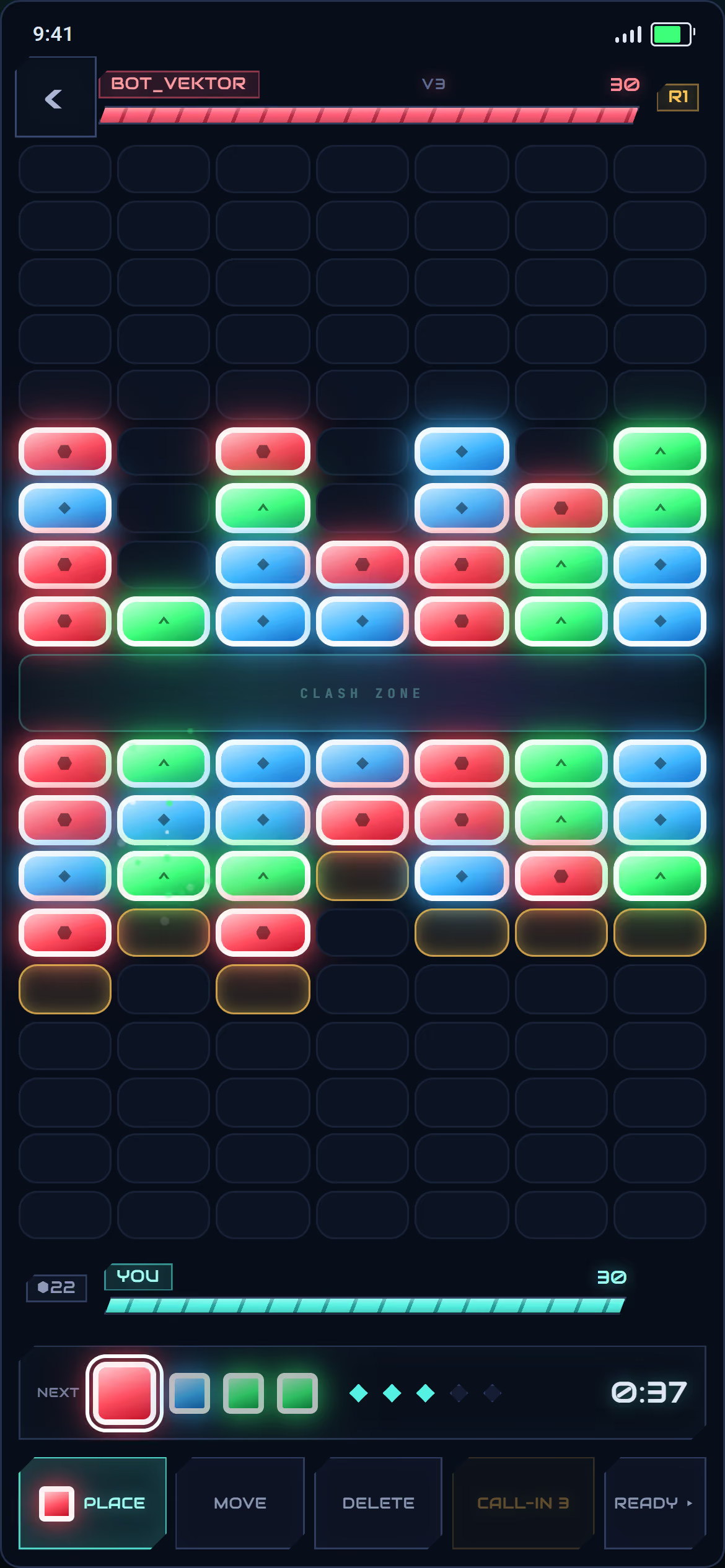
Clash of Beams is a strategy game about the decisions made before the attack. Two players receive the same public sequence of red, blue, and green cells, then shape separate seven-lane grids with a limited number of moves. You can place a new cell, reposition one already in play, remove a bad piece, or spend extra resources on a call-in. The useful move is not always the obvious one.
Cells become more dangerous when they work together. Horizontal groups form shields that absorb incoming power. Vertical groups become attacking formations, with larger combinations producing stronger tiers. Each color has an advantage over another, so where a cell sits can matter as much as its raw strength. Well-timed chains can also earn bonus moves and open a plan that looked impossible a few seconds earlier.
There is no comfortable turn in which you can react after seeing the opponent’s final move. Both players plan simultaneously. When they are ready—or when the clock expires—the boards resolve at the same time.
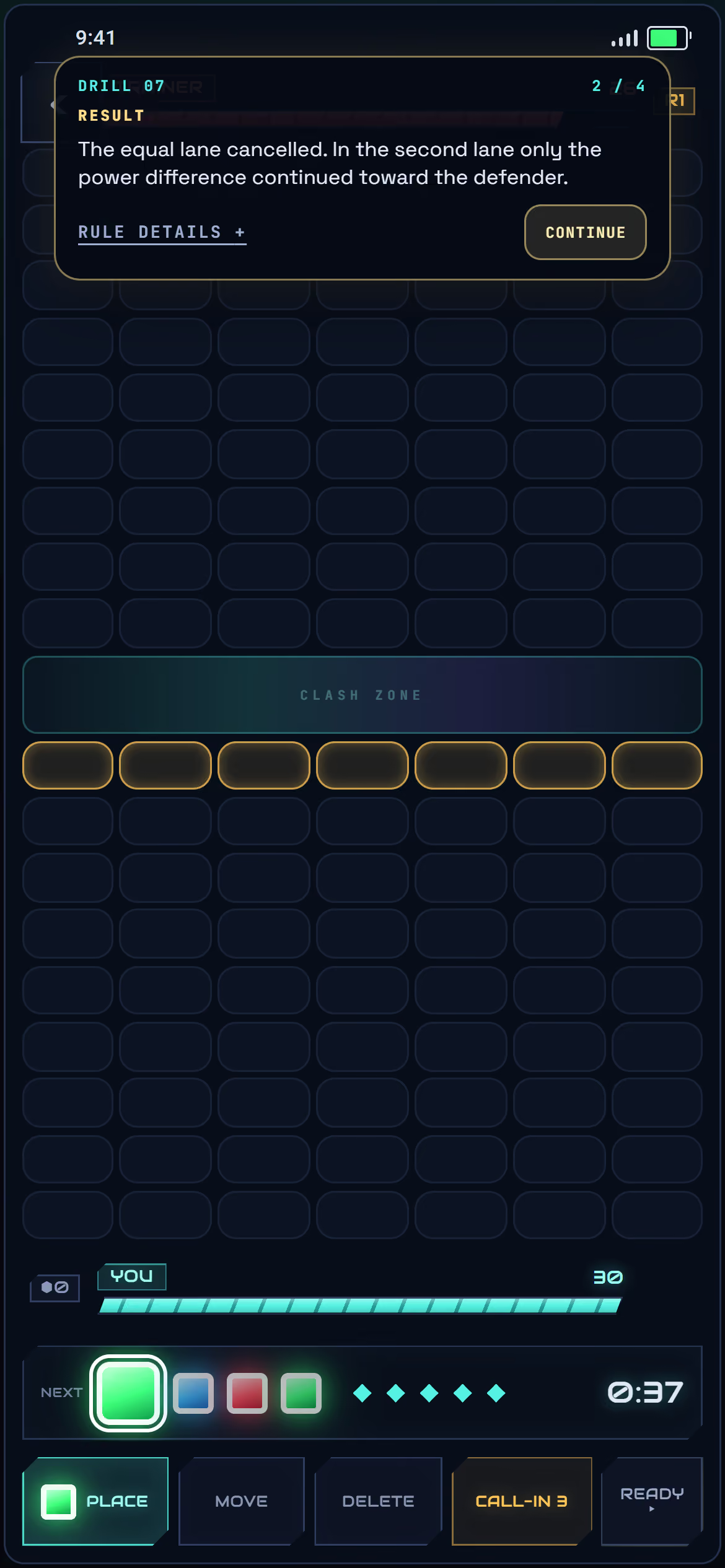
Power meets in the central clash zone. Equal attacks cancel. The difference continues across the grid, shields absorb what they can, and anything left reaches the opposing core. A round can reward a careful defense, expose a greedy formation, or turn on a single cell placed in the right lane. The match ends when one core breaks.
Ten replayable Tutorial drills isolate the important ideas: resources, the four board actions, shields, formation tiers, color advantage, chains, clashes, and core damage. Each drill uses the real battle controls and explains the result, so learning stays close to play instead of becoming a separate manual.
Practice keeps the same board and lets you work through ten AI difficulty levels offline. It is a place to test a formation, learn the rhythm of the move budget, or play without waiting for another person. Separate music and effects controls, optional haptics, and reduced motion are available in Settings. Colors are reinforced with symbols and formation shapes, although the battle board is visually dense and is not yet a complete screen-reader experience.
Private Online matches use a join code and let the host edit the series rules. Ranked Online offers Standard, Endurance, and Fast rulesets, each with its own rating and Played, Won, and Lost record. Matchmaking pairs real queued players; the game does not fill the queue with fabricated activity.
Online play creates a random signed profile for that installation and asks for one unique public player name. There is no email address or password. That keeps entry short, but it also means there is no account recovery or transfer in version 1.0.0. Clearing the app’s data or uninstalling it can permanently remove access to the profile, ratings, and records on that installation.
Clash of Beams is currently shown here as an in-progress project. A signed Android build exists, but no public store or download destination has been supplied for this release, so there is no inactive or placeholder download button. Publication links will appear only when there is a real, verified destination behind them.
For details about online profiles, multiplayer data, retention, providers, and account deletion, read the Clash of Beams privacy policy or use the account-deletion page.
// Gallery